


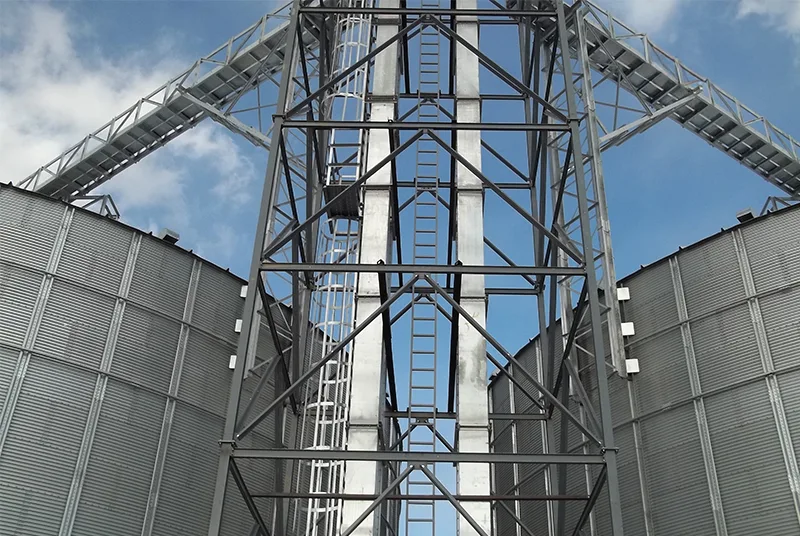
Silo erection completes factory quality with the final site phase. Foundation preparation, crane plan, bolt torque, sealing tests, and commissioning checks determine project success. Incorrect foundations or missed torque values can cause structural issues for years. Basut Silo delivers post-erection commissioning reports and checklists. Galvanized steel bins depend on correct anchor torque and roof seal integrity as much as on panel quality from the factory. Weather delays during erection should trigger re-inspection of partially bolted seams before lifts resume. Independent third-party review of torque and plumbness adds confidence on multi-bin contracts. Include aeration floor and sweep outlet alignment in the handover checklist. Verify roof vent and manway sealing before first fill with water spray testing where specified. Schedule fan and outlet alignment checks before aeration commissioning. File erection photos with bolt torque logs for warranty support.
Foundation, Soil, and Anchoring
Foundation flatness and anchor points must match structural design. Verify soil bearing capacity through geotechnical study; weak soils may require granular bedding or pile foundations.
Apply anchor bolt torque per OEM specification—torque loss creates stability risk under wind load. Concrete strength often references 28-day full strength; early erection risks cracking.
Basut Silo includes foundation drawings and anchor layouts in project packages.
- Geotechnical study: bearing capacity
- Flatness: structural design compliance
- Anchor torque: OEM specification
- Concrete: 28-day strength reference
Erection, Crane Plan, and Safety
Plan panel lift sequence for wind load—stop erection during high wind speeds. Enforce safety harnesses, exclusion zones, and crane load limits.
Assemble flange joints, bolts, and gaskets per OEM instructions. Check plumbness during erection with laser or spirit level.
Basut Silo coordinates certified erection crews on site.
Sealing, Pressure Relief, and Explosion Protection
Verify flange gaskets and roof joints with water leak tests. Rainwater ingress causes moisture loading and quality loss.
Check pressure relief covers and explosion panels after installation—periodically revalidate sizing for current fill/discharge rates. Seal dust leak points.
Complete lightning protection and grounding before storm season.
Commissioning Checklist and Warranty
Document plumbness, bolt torque, electrical/automation tests, and aeration fan performance. Basut Silo delivers post-erection commissioning reports.
Erection duration ranges from a few days to weeks depending on bin count and weather. Warranty scope: structural integrity, sealing, and OEM parts warranty should be clear in contracts.
Operator training and maintenance planning are included at commissioning.
Torque records for anchor bolts and roof ring connections should be filed with the erection report—wind events after incomplete torque are a common warranty dispute topic.
Photo-document roof bolt patterns and ladder cage installs before backfilling around the foundation—disputes over scope are easier to resolve with dated site images.
Re-check anchor torque after the first full bin load—settlement can loosen hardware within the first storage season.
Frequently Asked Questions
How long does erection take? From a few days to weeks depending on bin count, diameter, and weather. Modular steel bin erection is faster than concrete. Stop lifts when wind exceeds manufacturer limits.
How long should concrete cure? Per design—28 days is often referenced for full strength. Early erection risks cracking and settlement. Confirm anchor bolt layout before the pour—retrofit is expensive.
What does warranty cover after erection? Structural integrity, sealing, and OEM parts warranty should be clear in supply and erection contracts. Torque records support warranty claims. Photo-document roof assemblies before closeout. Keep digital copies with the commissioning file.