


On-farm storage gives small and mid-size producers flexibility against harvest-season price swings and reduces dependence on traders. Correct bin capacity, modular solutions, moisture monitoring infrastructure, and regulatory awareness define return on investment. Basut Silo offers scalable steel bin options based on field size, commodity type, and sales calendar. The guide below covers capacity selection through licensing requirements. Even modest on-farm bins benefit from aeration fans sized for harvest moisture—not just storage volume. Plan power supply and grain handling paths before the first harvest, not after the bin is full. A single prevented quality loss event often covers the cost of basic monitoring on a farm bin bank. Compare quotes on total installed cost, not bin price alone.
Capacity and Scale Selection
Evaluate annual production, moisture profile, sales window, and conveying distance together. Target capacity for at least 60–80% of one harvest; adjust based on price expectations and cash flow.
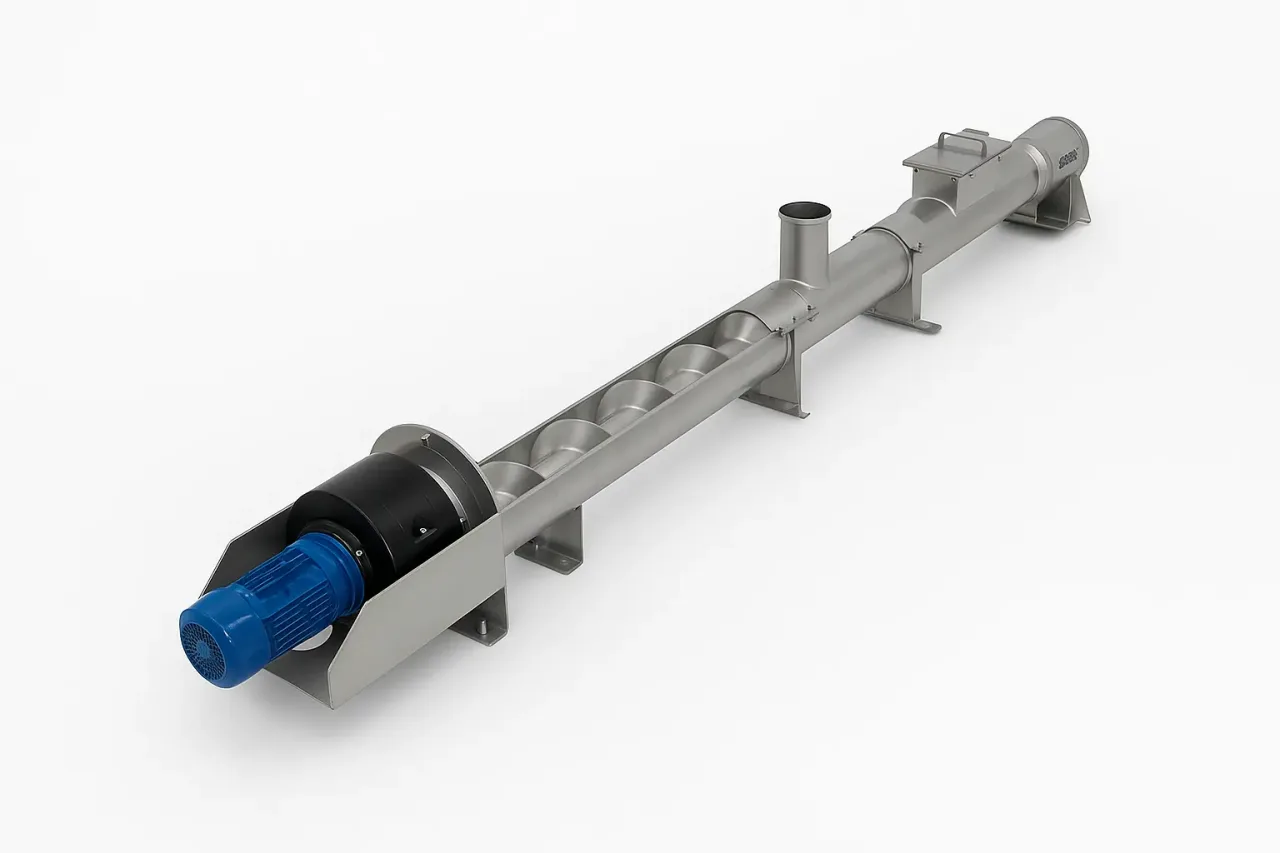
Modular bin groups simplify expansion—start with a single bin and grow into a bin bank. Plan conveying distance, elevator/screw capacity, and electrical infrastructure early.
Basut Silo provides capacity recommendations, layout plans, and erection schedules after site survey.
- Target: 60–80% of harvest capacity
- Modular: single bin → bin bank
- Conveying: line distance, elevator throughput
- Electrical: fan, drying, automation load
Financing and Return on Investment
Model payback through loss reduction, marketing timing (deferring post-harvest sales), and logistics savings. A single moisture-related spoilage event can exceed investment cost.
Government incentives, agricultural credit cooperatives, and tax benefits change periodically—verify current regulations. Budget moisture monitoring and aeration infrastructure together in investment decisions.
Basut Silo project consulting can include capacity simulation and ROI analysis.
Licensing, Commercial Storage, and Records
Licensed storage volumes require capacity reporting, sampling procedures, and audit readiness. Even small farm bins may fall under regulations when commercial sales thresholds are exceeded.
Keep records, scale calibration certificates, and moisture logs current. Digital archives speed audit processes.
Basut Silo supports license-compliant capacity planning and documentation.
Basut Silo Farm Solutions
Site survey leads to capacity recommendation, erection plan, and commissioning checklist. Moisture monitoring and aeration training are included at commissioning.
Steel bins offer fast erection and modularity advantages; expansion and relocation are more flexible than concrete bins. Probes or cable sensors are strongly recommended for long storage.
Request a preliminary assessment via the contact form with your site details.
Include aeration fan sizing in farm bin quotes—not just storage volume—so inbound grain at harvest MC can be cooled before hotspots form.
Plan truck turnaround space and power supply for aeration fans before the first harvest—farm bins fail when logistics and drying are treated as afterthoughts.
Review local licensing thresholds early—even farm storage above commercial volume limits may require registration and sampling records.
Frequently Asked Questions
What minimum bin capacity is recommended? Depends on production—often target 60–80% of one harvest. Sales calendar and price expectations affect the ratio. Include drying and handling capacity in the same investment review as bin volume.
Steel or concrete bins? Steel bins are preferred on most farm projects for speed, modularity, and expansion flexibility. Concrete bins suit long-life, high-volume scenarios. Steel allows faster addition of aeration and sensors during upgrades.
Is moisture monitoring required? Strongly recommended for long storage and quality protection. Without early warning, hotspot detection can lag by weeks. Cable sensors pay for themselves with one prevented spoilage event.