


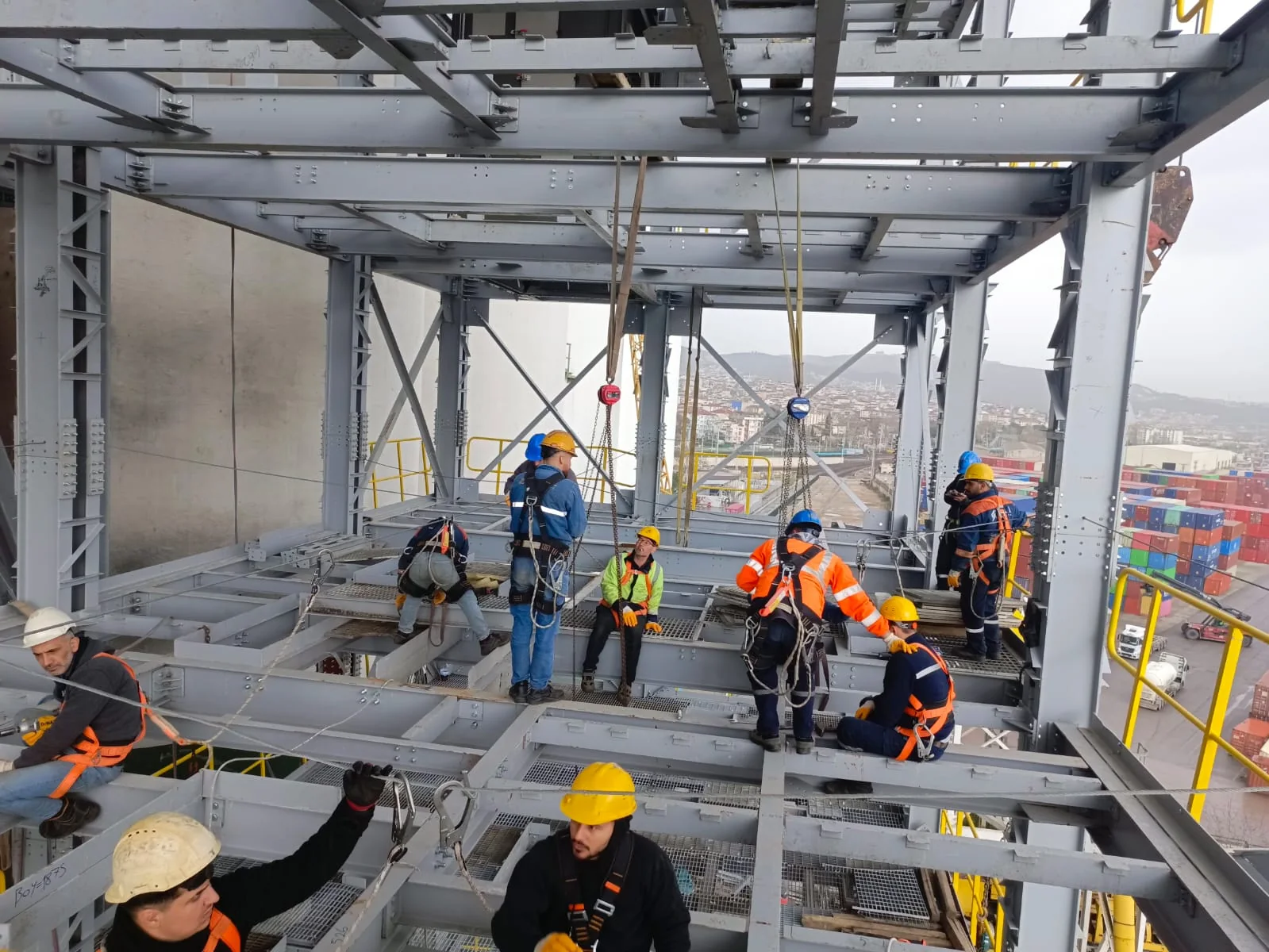
Unplanned maintenance in grain silos leads to unexpected downtime, quality loss, and safety incidents. At Basut Silo, we recommend structuring your annual maintenance calendar around mechanical equipment, electrical/automation infrastructure, and structural integrity checks. When performed at the right intervals, preventive maintenance stops small issues—such as fan bearing wear, drifting sensors, or leaking roof seals—from becoming major costs. The guide below provides a practical annual silo maintenance plan for commercial storage facilities.
Mechanical Maintenance Checklist
Ventilation fans play a critical role in maintaining temperature balance inside grain silos. At least twice per year, inspect fan bearings, belt tension, blade cleanliness, and vibration levels. If bearing temperature rises abnormally, review the lubrication program or schedule replacement before failure occurs during peak storage.
Discharge equipment—including rotary valves, screw feed points, and floor sweep systems—is exposed to abrasive wear. Inspect seal faces, blade-to-housing clearance, and drive chain tension on a fixed schedule. A mechanical review before harvest season helps ensure uninterrupted outfeed during high-throughput periods.
- Fans and motors: bearings, belts, guards, vibration
- Discharge valves and rotary locks: seals, clearance, leaks
- Screw and elevator infeed/outfeed points: wear, alignment
- Level switches and pressure sensors: mechanical mounting integrity
Electrical and Automation Inspection
In silo automation panels, verify thermal relay settings, fuse ratings, and grounding continuity at least once per year. Drift in moisture, temperature, and level sensors can trigger incorrect ventilation decisions and unnecessary energy use. Maintain calibration records against reference instruments.
Validate alarm thresholds, communication-loss scenarios, and emergency shutdown (ESD) logic through scenario testing on PLC/SCADA systems. Visually inspect cable trays, motor terminal boxes, and Ex-rated connections; tighten loose terminals to specified torque values.
- Sensor calibration: moisture, temperature, level, pressure
- Infrared thermography on panels during high-load periods
- Emergency stop and interlock function tests
- Backup of PLC/SCADA configuration files
Structural and Sealing Checks
During annual walkdowns, document galvanizing wear, bolt torque loss, flange gasket aging, and roof/outlet deformation on steel silo shells. Rainwater ingress, base moisture loading, and dust leaks affect both product quality and environmental compliance.
Measure lightning protection and grounding resistance before storm season. Confirm that pressure relief covers and explosion vent panels remain correctly sized for current fill and discharge rates.
Recommended Annual Maintenance Calendar
Based on Basut Silo field experience, a practical cycle includes: spring mechanical/structural inspection, pre-summer fan performance test, pre-harvest automation and sensor calibration, autumn discharge-line wear check, and winter electrical panel/grounding audit.
After each maintenance round, record findings digitally or on paper—include faults, parts replaced, and next due date. These records support traceability for licensed storage audits and continuous improvement programs.
Frequently Asked Questions
How often should silo maintenance be performed? We recommend monthly visual checks for critical equipment, detailed inspections every 3–6 months for fans and sensors, and a comprehensive annual walkdown. Add an extra pre-harvest readiness review before intake peaks.
Why are maintenance records important? Records reduce repeat failures, support insurance and audit processes, and improve life-cycle forecasting. They also help quantify the impact of energy-efficiency upgrades.
Does Basut Silo provide maintenance consulting? Yes. We can prepare a site-specific maintenance plan, spare-parts list, and post-commissioning inspection program. Share your facility details through our contact form to request an assessment.