


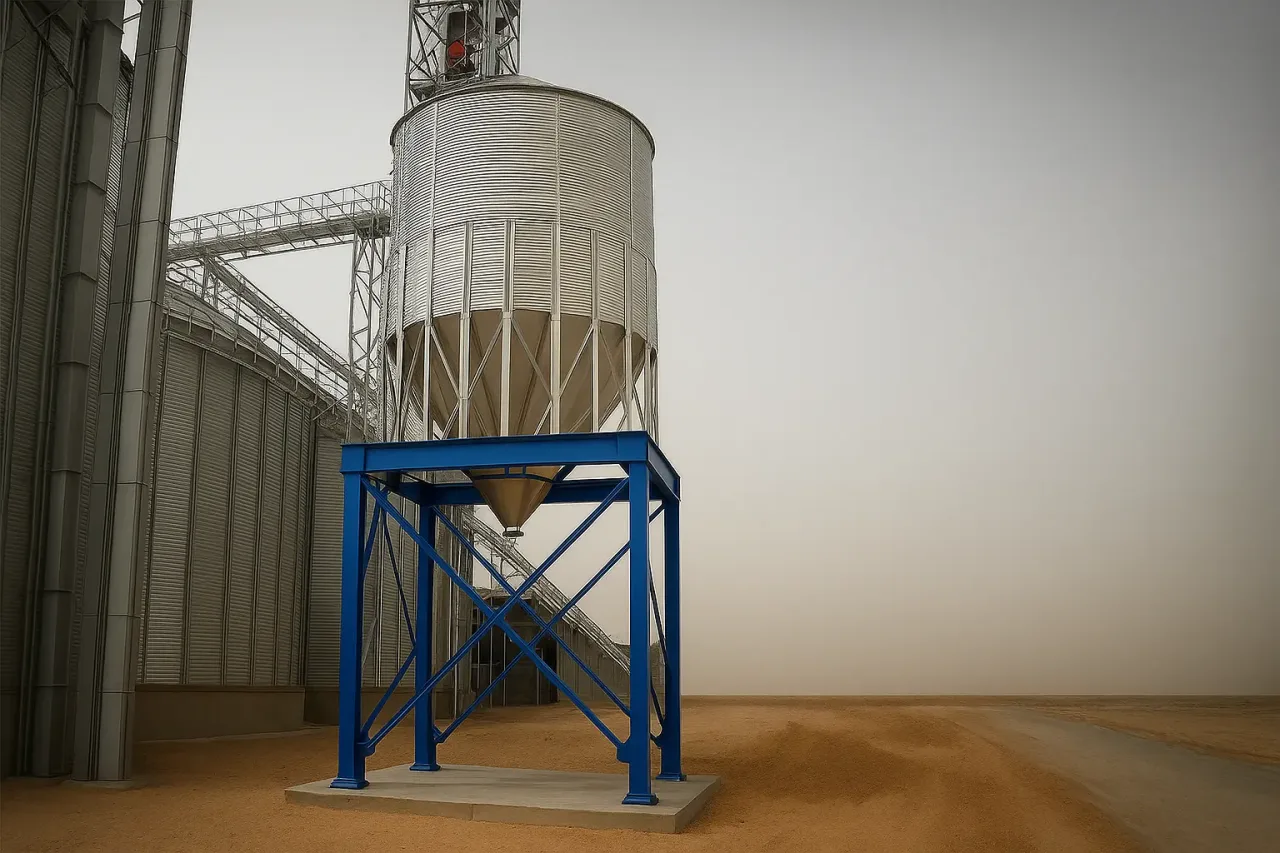
Grain dust creates serious explosion and fire hazards when sufficient concentration, oxygen, and an ignition or hot-surface source coincide. Elevator boots, filter outlets, screw lines, and bin fill points are typical dust accumulation zones. ATEX zoning, grounding, explosion venting, pressure relief, and operational discipline together keep facilities safe and compliant. Basut Silo plans line layout, dust collection points, and Ex-rated equipment selection to reduce risk in new installations.
ATEX Zones and Equipment Selection
Elevator boots, filter outlets, enclosed screw lines, and bin top fill points are typical dust accumulation areas. Select motors, switches, lighting, and panels rated for Zone 20 (continuous cloud), Zone 21 (occasional), or Zone 22 (rare) as applicable.
Audits expect certified Ex-rated equipment; replacing components with non-compliant parts is a serious violation. Verify zone, temperature class (T-class), and protection type (Ex d, Ex e, etc.) on equipment labels.
Basut Silo designs position dust collection lines, grounding points, and explosion vent locations during project ATEX assessment.
- Zone 20/21/22: motors, switches, lighting
- T-class: temperature class label verification
- Certification: Ex-rated compliance, audit evidence
- Panels: Ex e or pressurized options
Grounding, Bonding, and Static Control
Maintain continuous grounding and bonding on dusty transfer lines, silos, loading points, and flexible hose connections. Broken ground paths increase static buildup—antistatic hoses and bonded couplings are mandatory at truck loading.
Repeat grounding resistance tests before storm season each year; target often below 10 ohms (site-specific). Periodically test lightning protection systems.
Bond metal bin shells, elevator legs, and filter housings equipotentially. Grounding records are reviewed during audits.
Explosion Vents and Pressure Management
Undersized explosion panels, flameless vents, and pressure relief covers can transfer destructive pressure to structure. Re-evaluate vent sizing when fill or discharge rates change.
Keep pressure relief paths clear; monitor filter clogging with sensors. Direct explosion vent discharge to safe areas or use flameless systems to minimize environmental risk.
Perform visual and functional checks at least annually; resize when process conditions change. Vent blockage or deformation requires immediate action.
Operational Safety Culture and Training
Hot work (welding, grinding, cutting) in dusty areas requires permit-to-work procedures. Pre-work area cleaning, dust removal, and gas testing are mandatory.
Repeat dust explosion awareness training at least annually. Emphasize emergency procedures, ESD locations, and fire extinguisher placement in training.
Basut Silo can plan line layout, dust collection points, and maintenance access to reduce risk in new installations. ATEX gap analysis is available for existing plants.
Frequently Asked Questions
When does a dust explosion occur? When a combustible dust cloud (above LEL concentration), oxygen, and an ignition source (spark, hot surface, static discharge) occur together. Secondary explosion waves after a primary event can be more destructive.
Is ATEX-rated equipment mandatory? In classified dust zones, yes—equipment must match zone rating and T-class. Non-certified part replacements are serious audit violations.
How often should explosion vents be checked? At least annually for visual and functional condition; re-evaluate sizing when process conditions change (fill rate, bin volume). Blockage or deformation requires immediate action.